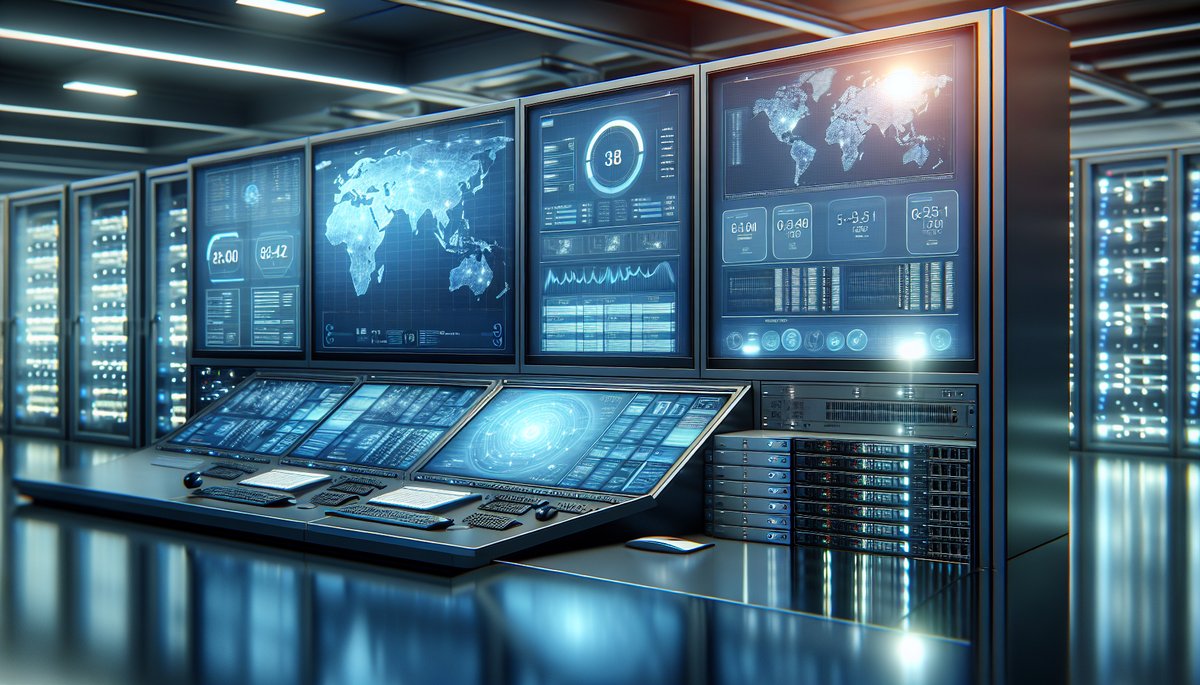
Introduction to AI in Telecom Network Management
The telecommunications industry faces numerous challenges in network management, including increasing complexity, high operational costs, and the need for uninterrupted service. Traditional reactive maintenance models often lead to prolonged downtimes and customer dissatisfaction. This is where our AI-driven solutions come into play, revolutionizing how network faults are detected and resolved.
Our AI agents, VALI and SU, are at the forefront of this transformation. VALI is designed to monitor alerts from Network Operations Center (NOC) systems and automatically triage the severity of network issues. This proactive approach allows us to identify and address problems before they escalate, significantly reducing downtime and improving service reliability.
Meanwhile, SU plays a crucial role in communication by providing timely outage updates directly to affected subscribers. This ensures transparency and keeps customers informed, further enhancing their experience and satisfaction.
The integration of these AI agents into our network management processes has led to a remarkable 60% reduction in mean-time-to-resolution (MTTR). This not only optimizes our maintenance schedules but also reduces unnecessary costs and minimizes human error, allowing for scalable and flexible network management.
By leveraging AI, we have shifted from reactive to proactive network management, enabling real-time monitoring and swift issue resolution. This paradigm shift enhances network reliability and service continuity, positioning us at the forefront of the telecom industry's transformation. For a deeper exploration of how AI is reshaping the telecom landscape, check out our insights on AI in telecom.
How Our AI Agents Detect Network Faults
In the fast-paced world of telecommunications, network reliability is paramount. Our AI agents, VALI and SU, are revolutionizing how we detect and resolve network faults, ensuring minimal disruption and maximum efficiency. VALI vigilantly monitors alerts from Network Operations Center (NOC) systems, employing real-time data analysis to proactively identify potential issues before they escalate. By auto-triaging the severity of these faults, VALI ensures that the most critical issues are prioritized, enabling swift resolution.
Once a fault is detected, SU steps in to communicate outage updates directly to affected subscribers, keeping them informed and minimizing frustration. This seamless communication bridge enhances customer experience by providing timely and accurate information.
Our AI-driven approach significantly reduces manual intervention, allowing our systems to operate with a high degree of automation. This shift from reactive to proactive management has enabled us to cut the mean-time-to-resolution (MTTR) by an impressive 60%. Such efficiency not only reduces operational costs but also enhances service reliability, leading to greater customer trust and satisfaction.
As networks grow in complexity with advancements like 5G, the importance of intelligent, automated systems becomes ever more critical. Our AI solutions empower telecom operators to transform network complexity into actionable insights, paving the way for strategic innovation and improved customer experiences. To learn more about how AI is reshaping telecom, explore our discussions on edge computing and AI in the telecom industry.
Resolving Network Faults with AI Efficiency
In the fast-paced world of telecommunications, efficiently detecting and resolving network faults is crucial to maintaining seamless service. Our AI agents, VALI and SU, are at the forefront of this technological advancement, offering a transformative approach to network fault management. VALI continuously monitors alerts from Network Operations Center (NOC) systems, automatically triaging the severity of each alert to ensure that the most critical issues are addressed promptly. This automation not only reduces manual intervention but also accelerates the identification of network faults.
Meanwhile, SU plays a vital role in communication, ensuring that outage updates are swiftly delivered to affected subscribers. By keeping customers informed, SU enhances customer satisfaction and trust, which are essential elements for any telecom service provider.
The integration of these AI systems has led to a remarkable 60% reduction in Mean Time to Resolution (MTTR), a metric that highlights the efficiency and speed of fault resolution. This improvement is achieved through the use of advanced AI techniques that leverage real-time data analysis and predictive maintenance. By proactively managing faults, our AI agents help prevent disruptions before they can impact service, preserving network reliability and minimizing downtime.
Our AI-driven approach not only improves operational efficiency but also allows telecom engineers to focus on strategic optimizations rather than reactive troubleshooting. As we continue to enhance our AI capabilities, we remain committed to delivering unmatched service reliability and operational excellence in the telecom industry. Discover more about how AI is transforming telecom networks in our detailed analysis.
Communicating Outage Updates with SU
In the fast-paced world of telecommunications, maintaining seamless communication is paramount. When network faults occur, timely and effective communication with subscribers becomes essential. This is where our AI agent SU steps in, transforming how we manage and communicate outage updates to affected subscribers.
SU is specifically designed to handle the communication aspect of network fault management. Once our AI agent VALI detects and triages the severity of network alerts from NOC systems, SU takes over by promptly notifying subscribers about the outage. This proactive communication approach ensures that our subscribers are kept informed throughout the resolution process, enhancing transparency and trust.
By delivering real-time updates to subscribers, SU not only alleviates customer concerns but also helps manage expectations regarding service restoration timelines. The automation of these communications allows us to focus more resources on resolving the network faults themselves, thereby reducing the overall mean-time-to-resolution (MTTR) by an impressive 60%.
Our commitment to leveraging AI for network fault detection and resolution not only minimizes downtime but also boosts customer satisfaction. With SU, we are able to maintain high service quality while addressing issues efficiently. This AI-driven solution is part of our broader strategy to revolutionize telecom network management, ensuring that our subscribers experience minimal disruption and maximum reliability.
Explore more about how AI is reshaping the telecom industry by reading our insights on edge computing use cases and other telecom innovations.
Measuring Success: MTTR Improvement Metrics
In the fast-paced telecom industry, reducing Mean Time to Resolution (MTTR) is crucial for maintaining service-level agreements and customer satisfaction. Our AI solutions have revolutionized how we detect and resolve network faults, achieving a 60% reduction in MTTR. This significant improvement is a testament to our advanced AI agents, VALI and SU, which work in tandem to streamline network fault management.
Our VALI agent plays a pivotal role by monitoring alerts from Network Operations Center (NOC) systems. It automatically triages the severity of alerts, enabling rapid prioritization of issues. By automating the detection and categorization of network anomalies, VALI reduces the need for manual intervention, allowing our engineers to focus on strategic optimizations rather than reactive troubleshooting.
Meanwhile, SU ensures effective communication with affected subscribers during outages, keeping them informed with timely updates. This proactive communication helps manage customer expectations and enhances trust in our services.
By integrating AI-driven analytics, we have transformed incident response into a dynamic, predictive process. Our systems assess historical incident data alongside real-time telemetry to automate fault detection and resolution, significantly cutting down MTTR. These advancements not only improve operational efficiency but also drive customer satisfaction by minimizing service disruptions.
The results speak for themselves—our automated systems have achieved a 60% reduction in MTTR, setting a new standard in telecom network management. This improvement underscores our commitment to leveraging AI for smarter, faster, and more reliable network operations.
For more insights into how AI is transforming the telecom industry, explore our detailed articles on edge computing use cases and AI solutions for telecom fraud prevention.
Conclusion: Transforming Telecom with AI
As we conclude our exploration of AI's transformative impact on telecom network fault detection and resolution, it's clear that AI is revolutionizing the industry. Our AI agents, VALI and SU, are pivotal in this transformation. VALI continuously monitors alerts from Network Operations Center (NOC) systems and efficiently auto-triages the severity of issues, ensuring that critical problems are prioritized. Meanwhile, SU is responsible for communicating outage updates to affected subscribers, keeping them informed and enhancing customer satisfaction.
The integration of these AI-driven solutions has significantly improved our operational processes. We have achieved a remarkable 60% reduction in mean-time-to-resolution (MTTR), cutting down the time it takes to address and resolve network faults. This not only minimizes downtime but also enhances the overall reliability and efficiency of our services.
AI enables us to adopt proactive strategies, allowing us to detect anomalies and address potential issues before they escalate into significant outages. This proactive approach not only boosts operational efficiency but also ensures uninterrupted service, thereby improving customer satisfaction. As AI continues to evolve, we are committed to leveraging these technologies to further enhance our capabilities and provide superior service to our subscribers.
For more insights into how AI is transforming the telecom industry, read our detailed posts on Edge Computing Use Cases in Telecom and explore other telecom-related topics.