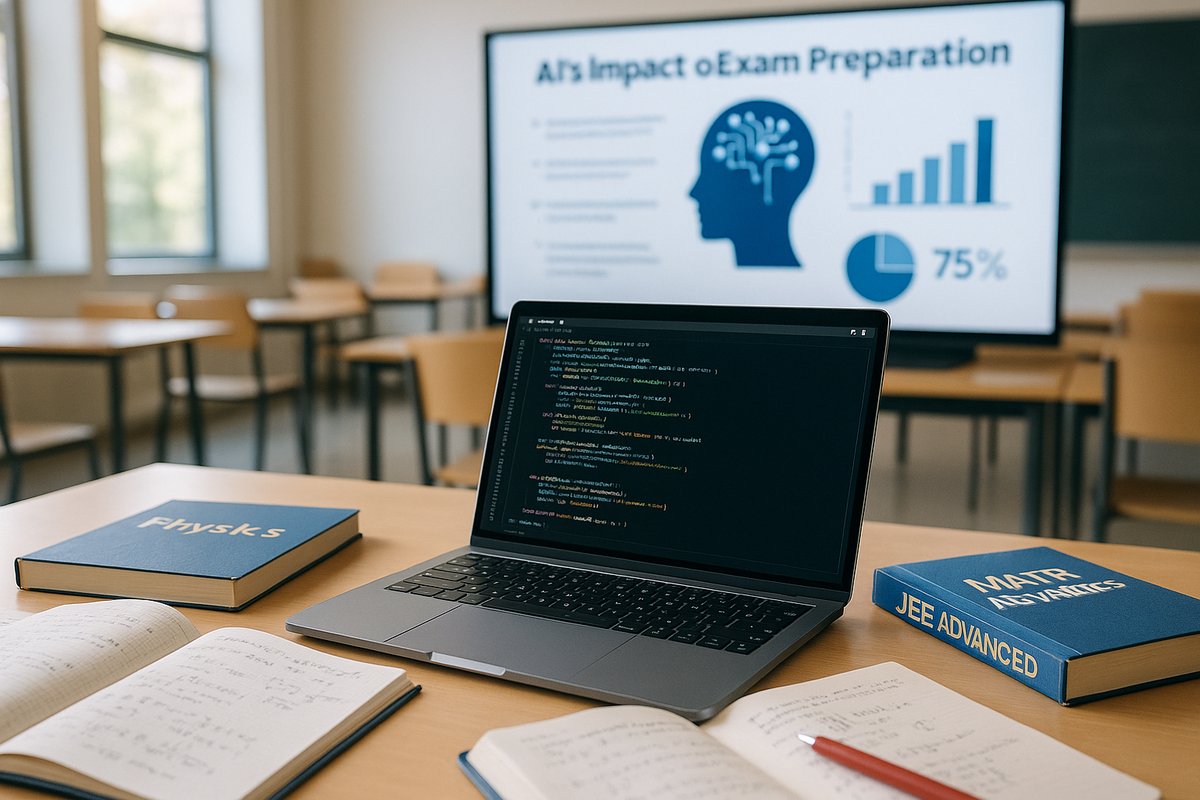
Introduction to AI in Education
Artificial Intelligence (AI) is revolutionizing various sectors, and education is no exception. As we approach competitive exams like the JEE Advance 2026, AI's transformative role becomes increasingly evident. AI technologies are reshaping how students prepare for these rigorous assessments, offering tailored learning experiences and enhancing accessibility for learners across different backgrounds.
One of the key benefits of AI in education is its ability to personalize learning. Adaptive learning platforms use AI to analyze student performance and adjust the difficulty of questions accordingly, ensuring a customized learning path that can help students optimize their study time and focus on areas that need improvement. This personalized approach is particularly beneficial for preparing for high-stakes exams such as the JEE Advance, where understanding specific concepts deeply can make a significant difference in performance.
Moreover, AI-powered tools provide real-time analytics and feedback, allowing both students and educators to monitor progress and make informed decisions about study strategies. This data-driven insight helps in identifying strengths and weaknesses, which is crucial for success in competitive exams.
Additionally, AI facilitates access to high-quality educational resources, breaking down geographical and economic barriers. Online platforms utilizing AI can offer interactive content, virtual tutoring, and even simulate exam conditions, preparing students for the actual test environment.
As AI continues to evolve, its integration into education will likely expand, offering even more innovative solutions for exam preparation. For those preparing for the JEE Advance 2026, embracing AI tools could be the key to unlocking their full potential. To learn more about how AI is impacting various industries, visit our industries page or explore how AI is enhancing other sectors like banking with our article on AI-powered KYC automation in banking.
Current Trends in AI for Exam Preparation
The landscape of exam preparation is undergoing a significant transformation, thanks to the integration of artificial intelligence (AI). As we look ahead to the JEE Advance 2026 exam, several trends in AI are shaping the way students approach their studies, with adaptive learning and personalized study plans being at the forefront.
Adaptive learning technology is redefining the educational experience by customizing study material based on a student's individual learning pace and style. This technology uses algorithms to analyze a student's performance on various topics and adjusts the difficulty level accordingly. For example, if a student struggles with calculus, the system can provide additional resources and practice problems to reinforce understanding. This personalized approach ensures that students focus on areas where they need the most improvement, making their preparation more efficient.
Furthermore, AI-driven personalized study plans are becoming increasingly popular. These plans are crafted by analyzing a student's strengths and weaknesses, learning preferences, and even their schedule to optimize study sessions. By leveraging data, AI can recommend the best time to study specific subjects, ensuring maximum retention and engagement. This level of customization helps students manage their time effectively and reduce the stress associated with exam preparation.
Incorporating AI into exam preparation not only personalizes the learning experience but also improves outcomes by fostering a deeper understanding of the material. As AI technology continues to evolve, its role in academic success, particularly in competitive exams like JEE Advance, will undoubtedly expand, offering students a more tailored and effective path to achieving their educational goals.
For more insights into how AI is transforming various sectors, including education, explore our detailed articles on traditional HR onboarding and the ROI of enterprise AI automation.
AI-Driven Strategies for JEE Advance 2026
As the JEE Advance 2026 exam approaches, students are increasingly turning to AI-driven strategies to gain a competitive edge. With the integration of smart tutoring systems and predictive analytics, AI is transforming the way students prepare for one of the most challenging engineering entrance tests in India.
Smart Tutoring Systems are revolutionizing personalized learning by adapting to each student's unique learning style and pace. These systems provide tailored feedback and customized practice problems, allowing students to focus on their weak areas. By analyzing a student's performance, smart tutors can suggest targeted lessons and exercises, ensuring a more efficient study process.
Moreover, predictive analytics play a crucial role in helping students strategize their preparation. By analyzing vast amounts of data, AI can predict potential challenges and outcomes, enabling students to adjust their study plans proactively. This data-driven approach helps identify high-yield topics and common pitfalls, allowing students to allocate their time and resources more effectively.
Implementing AI-driven strategies not only enhances the learning experience but also maximizes the potential for success. As AI continues to evolve, its applications in education are expected to expand, providing even more sophisticated tools for students. For those preparing for the JEE Advance 2026, embracing AI could be the key to unlocking their full potential.
For more insights on how AI is transforming various industries and educational practices, you can explore our articles on enterprise AI automation and top AI companies in India.
AI's Impact on Exam Accessibility and Fairness
The integration of AI in educational assessments, particularly in competitive exams like JEE Advance, is revolutionizing the way these exams are conducted and evaluated. AI technologies offer the potential to enhance accessibility and fairness, ensuring that all aspirants have equal opportunities to succeed.
One of the most significant impacts of AI on the JEE Advance exam is the ability to provide unbiased assessment tools. Traditional assessment methods can inadvertently introduce biases, as they often rely on subjective human judgment. AI, however, utilizes algorithms that are designed to evaluate answers based on pre-established criteria, thereby reducing human error and bias. This shift towards data-driven assessment helps in maintaining a standardized evaluation process, ensuring that every candidate is judged on the same scale.
Moreover, AI can facilitate greater accessibility to exam preparation resources. Online platforms powered by AI can provide personalized learning experiences, adapting to individual student needs and learning speeds. This not only helps students to understand complex topics more effectively but also allows them to practice with AI-generated mock tests that simulate the real exam conditions. Such resources are particularly beneficial for students from diverse backgrounds, who may not have access to traditional coaching centers.
AI also plays a critical role in enhancing the security and integrity of the examination process. By implementing AI-driven surveillance and proctoring tools, exam administrators can monitor exams in real-time, effectively identifying any dishonest practices. This ensures a fair testing environment and upholds the credibility of the examination process.
In conclusion, AI is a powerful ally in making exams like JEE Advance more accessible and fair. By leveraging AI, educational institutions can ensure a more equitable assessment process that caters to all students, regardless of their socio-economic status. For more insights on the transformative role of AI across various sectors, you can explore AI in enterprise automation or learn about AI in banking.
Future Prospects: AI and the Evolution of JEE Advance
The integration of Artificial Intelligence (AI) in educational assessments, such as the JEE Advance exam, holds significant promise for the future. As we approach 2026, AI could revolutionize not only how exams are administered but also how they are structured and evaluated.
One of the key areas where AI can make a substantial difference is in personalizing the examination experience. By analyzing data from numerous past examinations, AI systems could tailor the difficulty level of questions to match the individual capabilities of each candidate. This adaptive testing method ensures that students are neither overwhelmed nor under-challenged, allowing for a more accurate assessment of their knowledge and problem-solving skills.
Furthermore, AI-powered tools can enhance the evaluation process. Traditional methods of exam grading often involve subjective judgments, especially in open-ended questions. However, AI algorithms can be trained to assess such responses with greater consistency and objectivity, reducing biases and ensuring fairer outcomes. This can be particularly beneficial in grading large volumes of exam papers swiftly and accurately.
Another exciting prospect is the potential for AI to identify patterns and trends in student performance across different regions and demographics. This data-driven approach can provide valuable insights into the effectiveness of teaching methods and curricula, ultimately leading to improved educational strategies.
Moreover, AI can play a pivotal role in streamlining the logistics of conducting the JEE Advance exam. From managing registrations and seating arrangements to monitoring exams through AI-based proctoring systems, the entire process can become more efficient and secure. These innovations can significantly reduce administrative burdens and enhance the overall exam experience for both candidates and organizers.
In conclusion, the evolution of the JEE Advance exam through AI integration offers exciting possibilities for the future. By embracing these technological advancements, we can create a more effective and equitable assessment system that aligns with the educational needs of tomorrow. For more insights on how AI is transforming various industries, you might explore our industries page.